


The Star
11 October 2025
Wider government guarantees needs tighter oversight
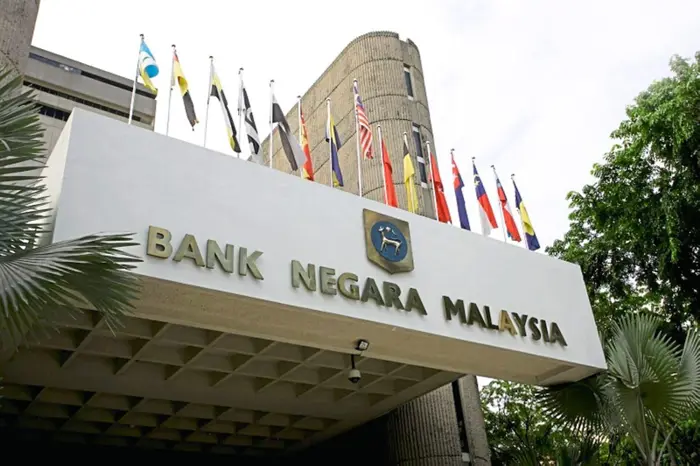 Public guarantee schemes are anchored by public institutions, managed through government-linked companies or their subsidiaries under the direct oversight of the Finance Ministry and Bank Negara Malaysia.
AS the scope of public guarantee schemes continues to expand, the need for prudent policies and effective mechanisms has become increasingly critical.
According to the Fiscal Outlook 2026 report, proactive risk management is essential to safeguard public resources while maximising intended outcomes.
Public guarantee schemes, also referred to as standardise guarantee schemes in certain jurisdictions, are government commitments to partially or entirely assume the financing obligations of a borrower in the event of default.
Typically, these schemes offer secondary credit risk mitigation to lenders, aiming to facilitate broader access to credit.
The main features often include the issuance of guarantees to a large number of beneficiaries, commonly under standardised terms and conditions.
They also combine market-based credit allocation mechanisms with implicit government subsidies.
Although these schemes represent contingent liabilities that do not require immediate cash outlays, they may crystallise into fiscal costs if borrowers fail to meet their financial obligations.
In Malaysia, public guarantee schemes are positioned as a strategic financing instrument within fiscal management to achieve macroeconomic objectives.
Beyond cushioning the immediate impact of economic shocks, these schemes also help address structural financing gaps, promote business innovation, and expand financial inclusion for underserved segments of the economy.
“Public guarantee schemes are anchored by public institutions, managed through government-linked companies or their subsidiaries under the direct oversight of the Finance Ministry and Bank Negara Malaysia.
“Currently, there are three entities administering these schemes, namely Syarikat Jaminan Kredit Perumahan Bhd, Syarikat Jaminan Pembiayaan Perniagaan Bhd and Credit Guarantee Corp Malaysia Bhd.”
These entities collectively form the operational backbone of Malaysia’s public guarantee ecosystem, ensuring fiscal support is prioritised towards sectors and segments that generate economic multiplier effects.
This targeted approach aligns with the government’s development agenda, reinforced by strong oversight and accountability mechanisms.
As at end-2024, public guarantee schemes with a total value of RM73bil have benefitted more than 163,000 borrowers, spanning both small and medium enterprises (SMEs) and household segments.
Globally, there is general consensus on the principles that underpin the effective and responsible implementation of public guarantee schemes.
“Such schemes should be guided by a clear policy rationale, supported by robust institutional arrangements, and managed with discipline, in ensuring developmental impact is achieved without undermining fiscal responsibility,” according to the Fiscal Outlook 2026 report.
The use of public guarantee schemes has expanded significantly across economies, particularly during the Covid-19 pandemic, as a counter-cyclical tool to sustain credit flows, especially to SMEs and strategic sectors.
Before the pandemic, financing backed by guarantee schemes made up around 1% to 5% of total financing in banking systems globally.
After the crisis, that ratio rose to an average of 6% to 8%, and in some advanced economies, it exceeded 20% as governments acted swiftly to support business continuity, preserve jobs, and avert a deeper economic downturn.
“While the increase represents a significant source of risk, it can be mitigated through comprehensive governance and risk controls, sound pricing structures as well as robust monitoring and evaluation systems.”
(Web Source: https://www.thestar.com.my/business/business-news/2025/10/11/wider-government-guarantees-needs-tighter-oversight)